


Introduction to EPS Geofoam
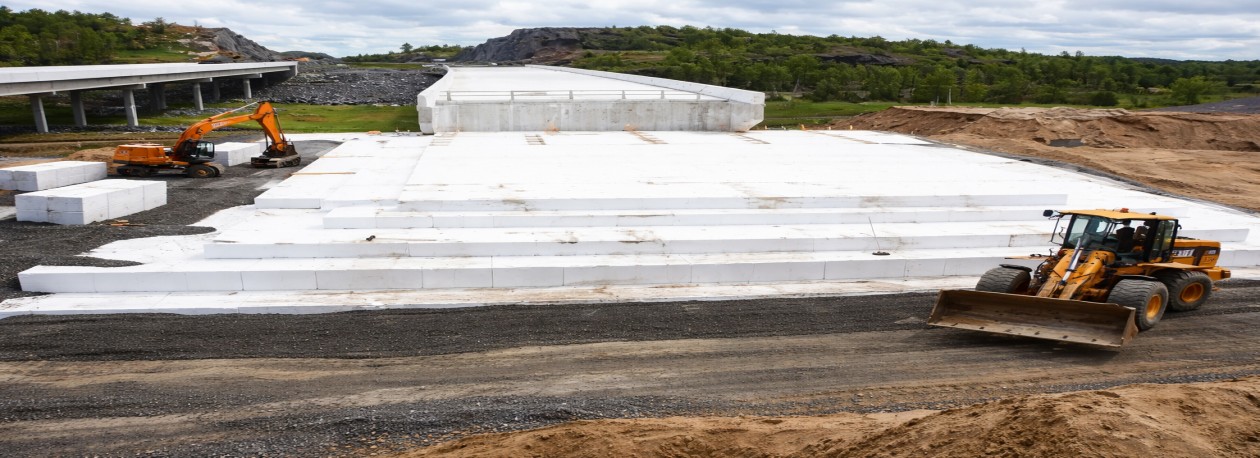
EPS geofoam is a lightweight, rigid foam material widely used in construction as a fill alternative. It is made from expanded polystyrene and is known for its low density and high strength. Engineers prefer it in projects where reducing the overall load on soil is important. Its easy handling and quick installation make it a practical solution for modern infrastructure development.
Benefits of Lightweight Fill
Using EPS geofoam significantly reduces the stress on underlying soils, especially in areas with weak or compressible ground. It helps prevent settlement and improves long-term stability. Compared to traditional soil or gravel, it is much lighter, which makes transportation and installation easier. It also minimizes construction time and reduces the need for heavy machinery.
Common Applications
EPS geofoam is commonly used in road embankments, bridge abutments, retaining walls, and slope stabilization projects. It is especially useful in areas where traditional fill materials would cause excessive pressure or settlement. It is also used in railway construction and landscaping projects where weight reduction is critical.
Installation Process
The installation of EPS geofoam blocks is simple and efficient. The blocks are placed in layers and can be easily cut to fit specific project requirements. Once placed, they are covered with a protective layer such as soil or concrete. This process requires less labor and equipment compared to traditional fill methods, making it cost-effective.
Durability and Performance
EPS geofoam is highly durable and resistant to moisture, decay, and chemical reactions. It maintains its shape and strength over long periods, ensuring reliable performance. Its stability under different environmental conditions makes it a trusted material for long-term construction projects.
For thermocol packing, please visit our thermocol packing page.
